
The Tattoo Clone Effect
How Generations Start Wearing the Same Silhouette
Tattoo trends don't announce themselves. Nobody sends out a memo saying this is the year everyone should start tattooing their chest or the front of the neck. There isn't a convention where artists vote on the next big placement, and there certainly isn't a secret group deciding what millions of people should wear on their skin forever. Yet somehow it keeps happening. A look quietly catches fire, spreads from one artist to another, one city to the next, and before anyone realizes it, an entire generation has adopted the same silhouette while believing they're doing something completely original.
There was a time when barbed wire armbands were impossible to escape. Then tribal swept through tattoo shops like a tidal wave, wrapping around shoulders and biceps across the country. Lower back tattoos had their moment. Japanese half sleeves exploded. Clocks wrapped in roses became the centerpiece of countless sleeves. Lions with piercing blue eyes seemed to appear overnight. Feathers dissolved into birds, infinity symbols found their way onto wrists, and every one of those trends felt fresh until enough time passed for everyone to recognize them for what they really were. Looking back, those tattoos became cultural timestamps. You don't have to ask someone how old they are because their tattoos often answer the question before they do.
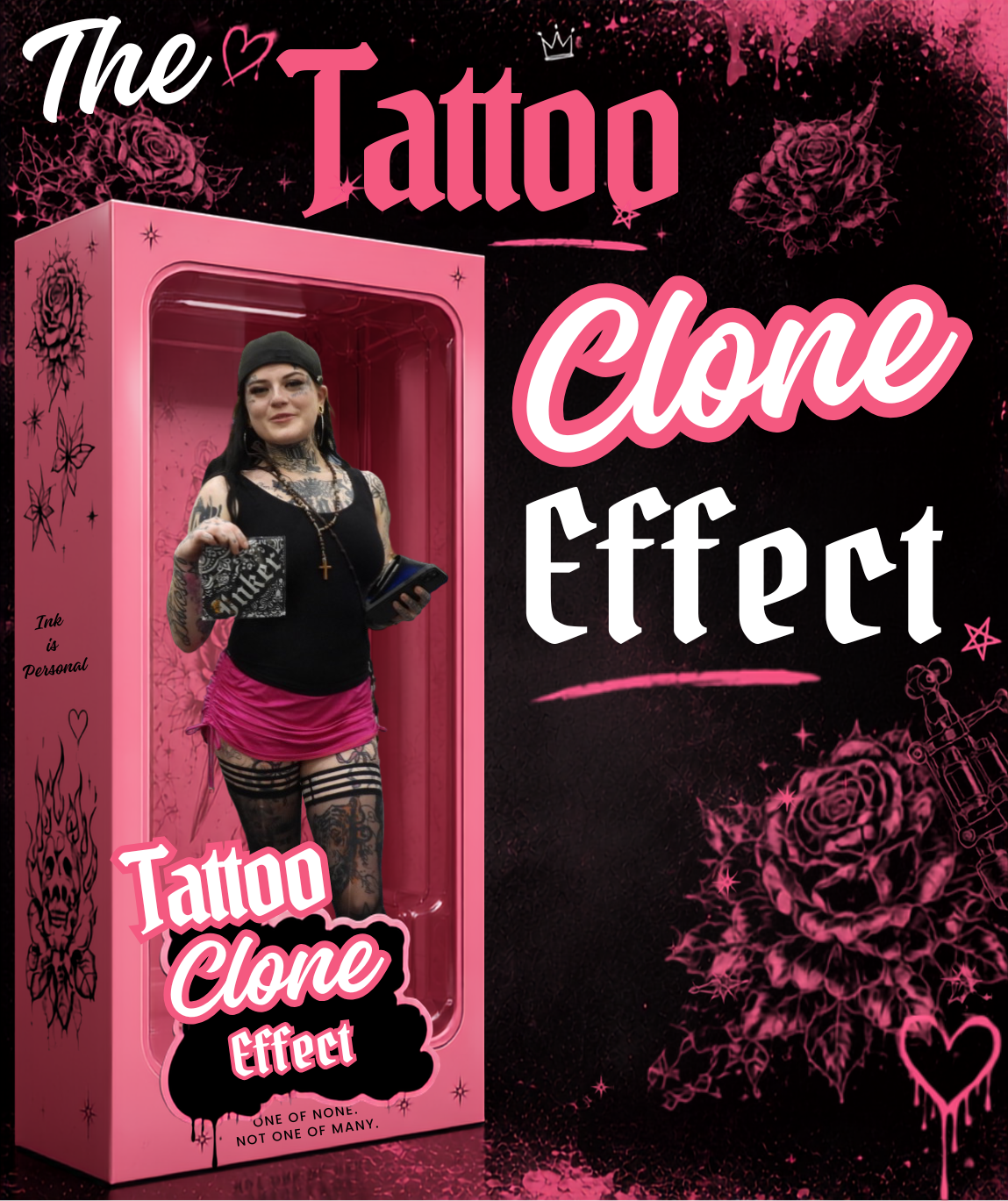
The difference this time is that I don't think we're watching a design become the trend. I think we're watching an entire silhouette become the trend. Spend enough time walking through tattoo conventions or visiting shops in different cities and you start seeing it everywhere. Ornamental work stretching across the upper chest, flowing naturally into the front of the neck, framed in a way that's instantly recognizable even when the artwork itself is completely different. The flowers, filigree, line-work, and the person wearing it changes. But somehow the overall look remains surprisingly familiar.
That's what made me stop and wonder whether social media has changed tattooing in a way we haven't fully appreciated yet. Years ago, people copied tattoos. Today, I don't think they're copying tattoos at all. I think they're copying an identity. They're chasing a feeling, a presence, a silhouette that tells the world something before they ever speak. The artwork is different, but the visual message is often exactly the same.
Maybe that's why I've started calling it The Tattoo Clone Effect. Not because people are intentionally copying each other. Most of them aren't. They genuinely believe they're creating something that's uniquely theirs, and in many ways they are. Their story, artist, and meaning are different. What's fascinating is that human beings have always had a way of moving together without realizing it. Fashion, music, hairstyles, and cars do it. Even home design also does it. Tattooing has simply joined the list, and because tattoos are permanent, each generation leaves behind a visual fingerprint that historians will be able to recognize long after the people wearing them are gone.
The question isn't whether this generation has its own tattoo fingerprint. It's whether we're able to recognize it while we're still living it.
One of the reasons I'm so passionate about what we're building at Inker is because I don't believe we're just creating another tattoo platform. We're documenting a living history of an art form that's constantly evolving. Every artist who joins, every portfolio that's shared, and every story that's told becomes part of a timeline that future generations will look back on to understand what defined tattooing during this moment in history.
Trends will come and go, and new styles will replace old ones. Twenty years from now, people will look back at today's tattoos the same way we look back at barbed wire armbands, tribal sleeves, and lower back tattoos. What shouldn't disappear are the artists behind them. Great tattoo artists deserve more than a fleeting moment in an algorithm. They deserve to have their work preserved, discovered, and appreciated long after today's trends have faded.
That's the future I see for Inker. Not simply helping people find a tattoo artist, but building a permanent record of the artists, the artwork, and the stories that define every generation of tattooing. Because long after the trends change, the artists who shaped them should never be forgotten.