
EXPERIMENTAL POP ART: WHAT ACTUALLY MAKES IT EXPERIMENTAL?
WHEN POP CULTURE GETS MESSED WITH FAMILIAR IMAGES, DIFFERENT RULES WHERE RECOGNITION GETS WEIRD, THE DIFFERENCE IS THE EXPERIMENT
The words, “Pop Art” get thrown out there as a default description, and that’s where the confusion starts. Bright colors, cartoon characters, celebrity faces, logos, weird objects and a little digital distortion can make anything look Pop adjacent, but that doesn’t automatically make it to the subject style of Experimental Pop Art.
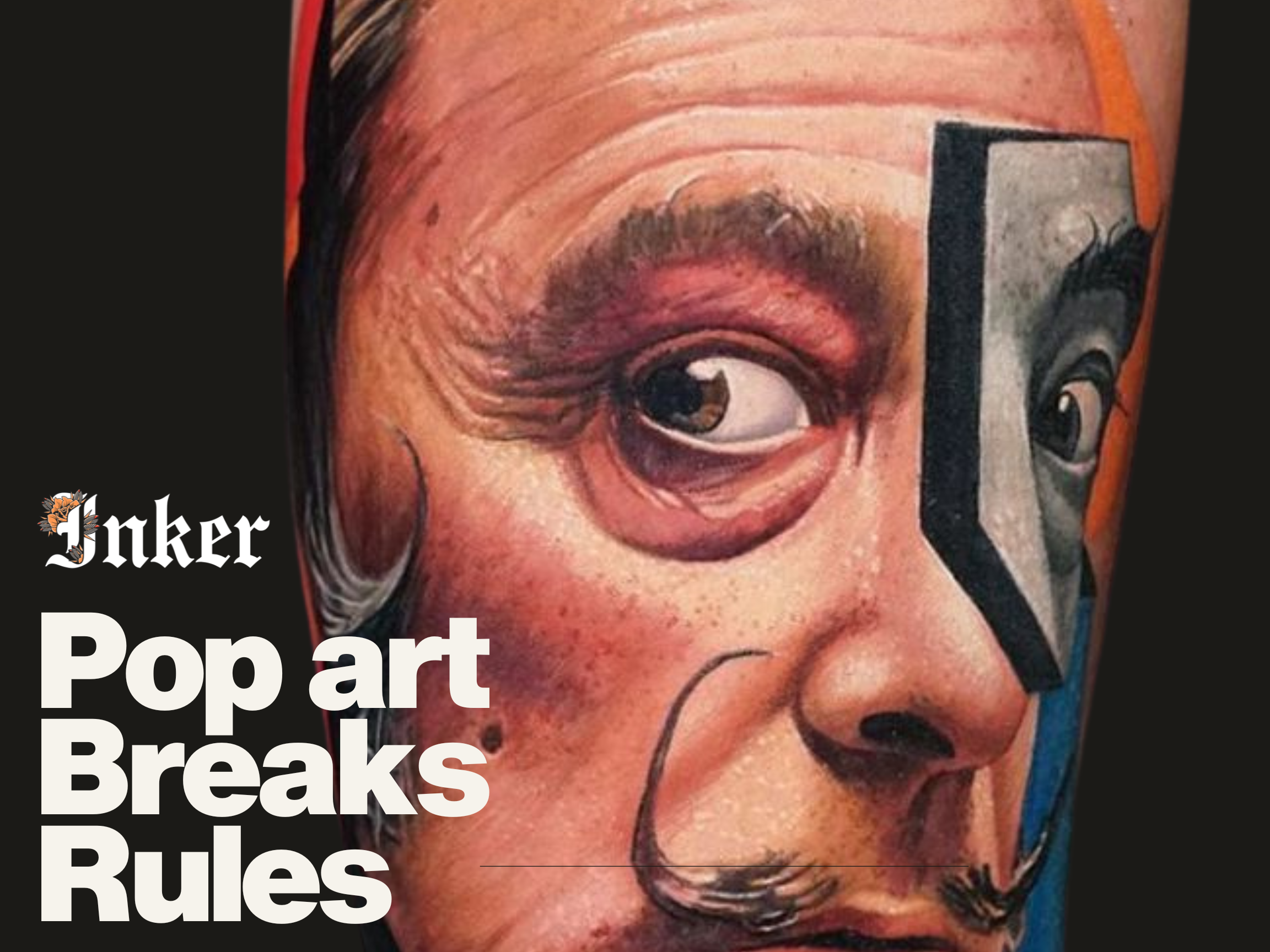
Here’s what I look for and yeah, it’s going to be a small ride until I get to the point……. First, you need some recognizable connection to popular culture like, products, celebrities, cartoons, maybe commercial imagery or something the average dumbass already knows before the artist touches it.
Pop Art was built around pulling familiar images out of everyday life and dragging them into art, so if the work has no relationship to anything culturally recognizable, it may be experimental, but it probably isn’t Pop. I know, confusing. Keep reading……...
MoMA describes Pop Art as drawing heavily from television, comic books, consumer goods and mass media, which gives us ground zero. Just in case you don’t recognize the MoMA acronym, it’s: The Museum of Modern Art.
Second, the artist has to do something with that subject image besides copy it. They distort it, combine it with something weird, blow it up, tear it apart, layer it, basically just go to town on it and change it all up so it pushes the original image somewhere new. Pop artists have a history of altering, repeating and rearranging familiar imagery, and the experimental side pushes that behavior / style into the WTF zone!
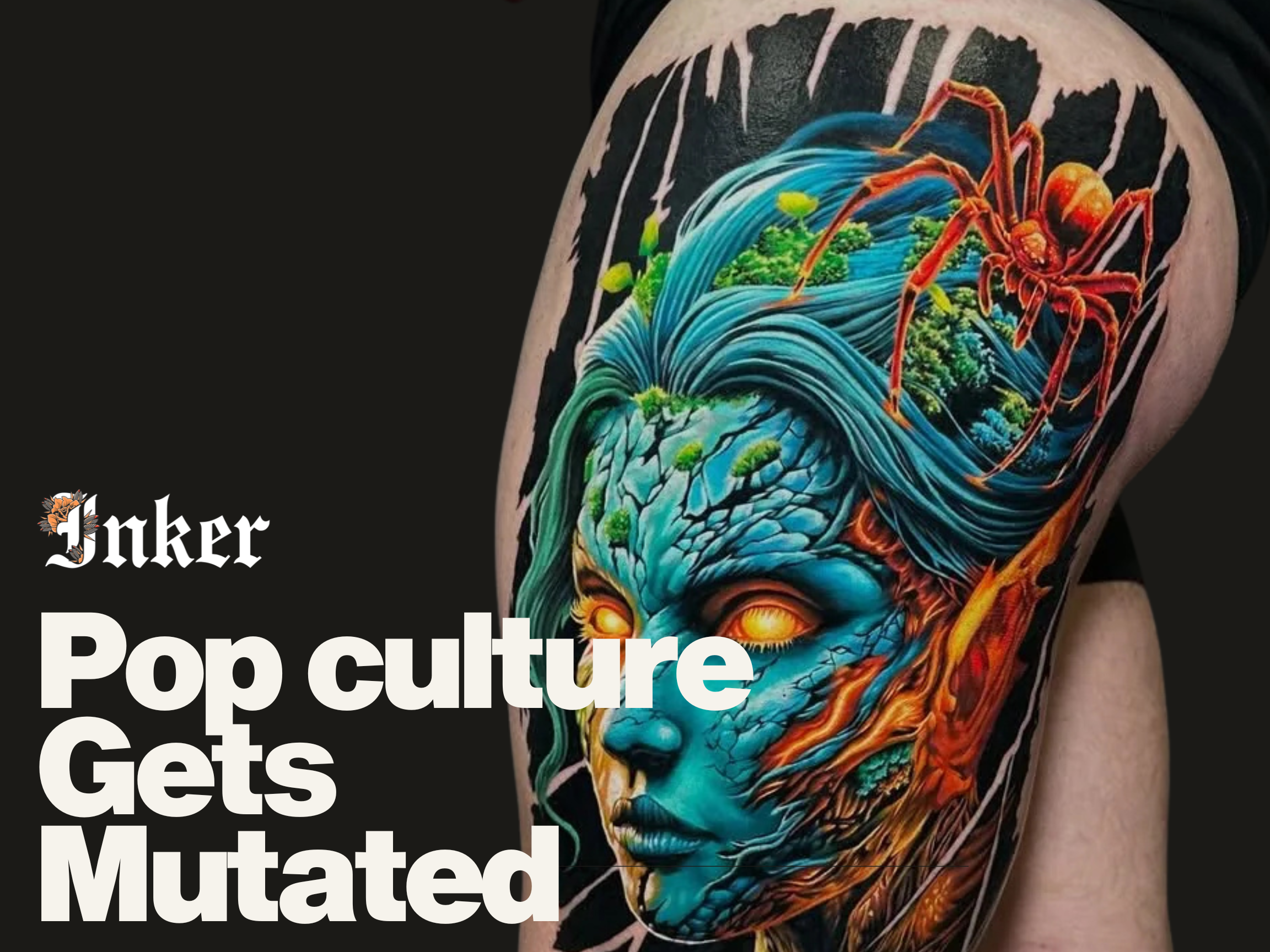
Third, the future observer / viewer should still be able to recognize some part of what they’re looking at. Then the internal processing encoding innate system we were designed with, starts building up, and you get a fucking aha moment, and you recognize the face, the logo, the character, product, all that shit.
Buttttttt, something has been done to it, that makes you look again. If everything gets pulled so far away from the original source that the connection disappears, and while the work may be good as fuck, it may go into another category / style.
Fourth, the work should still have some of the accessibility Pop Art has always carried. The imagery should give the observer / viewer an instant way in, even when the meaning underneath it is making fun of consumerism, conformity, or the endless ongoing media we get hit with and absorb every day. MoMA notes that Pop artists often used familiar, straightforward imagery with irony and wit. This is where people start mixing it up with everything nearby.
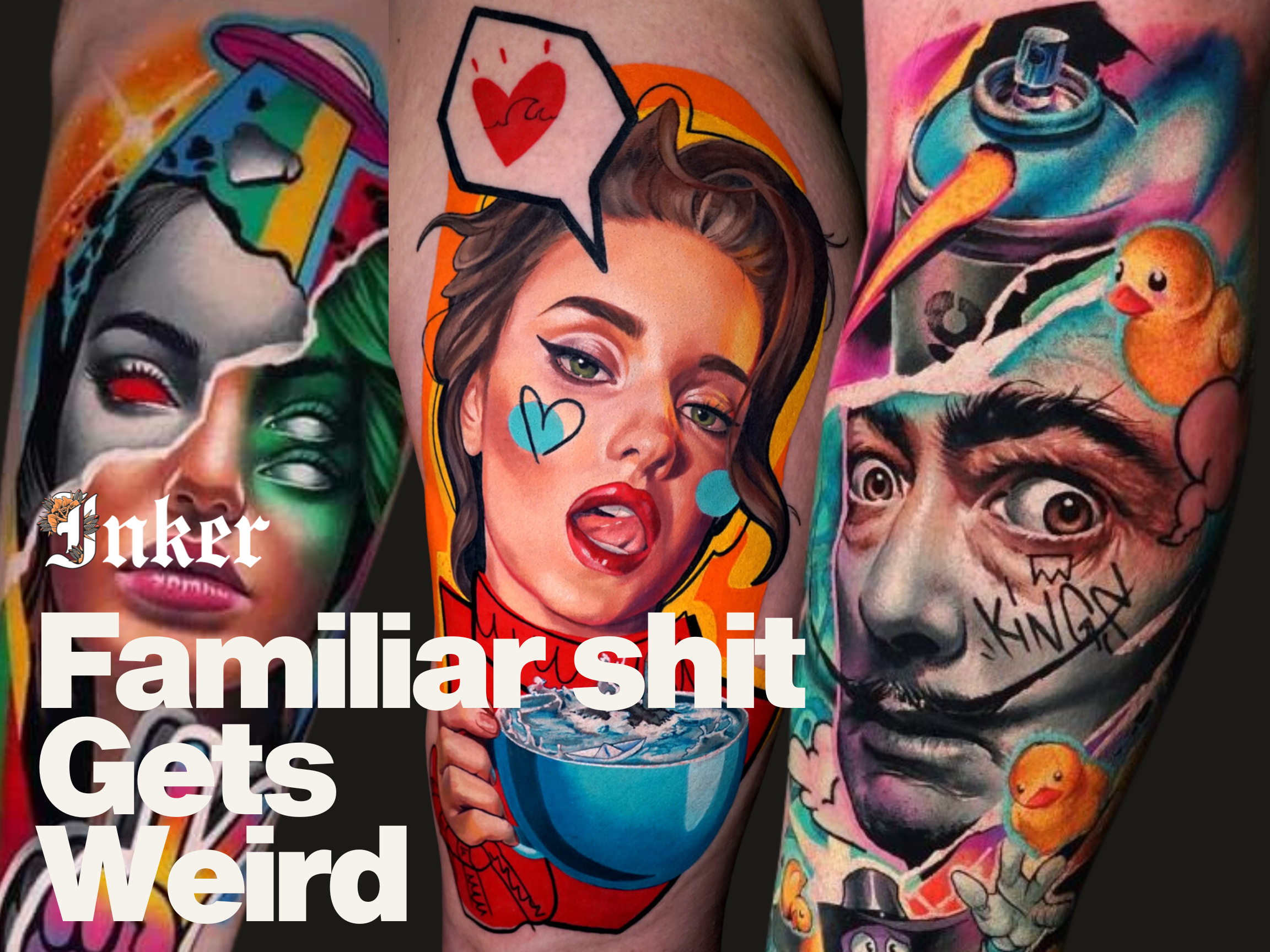
Experimental Pop Art borrows pieces from all over, but the Pop DNA still has to be in there somewhere, or we’re just calling anything colorful and unusual by the same name.
For me, the easiest way to separate it is this: there should be something familiar from popular culture, the artist should push it somewhere unexpected, and enough of the original should survive for the observer /viewer to understand what got fucked with.
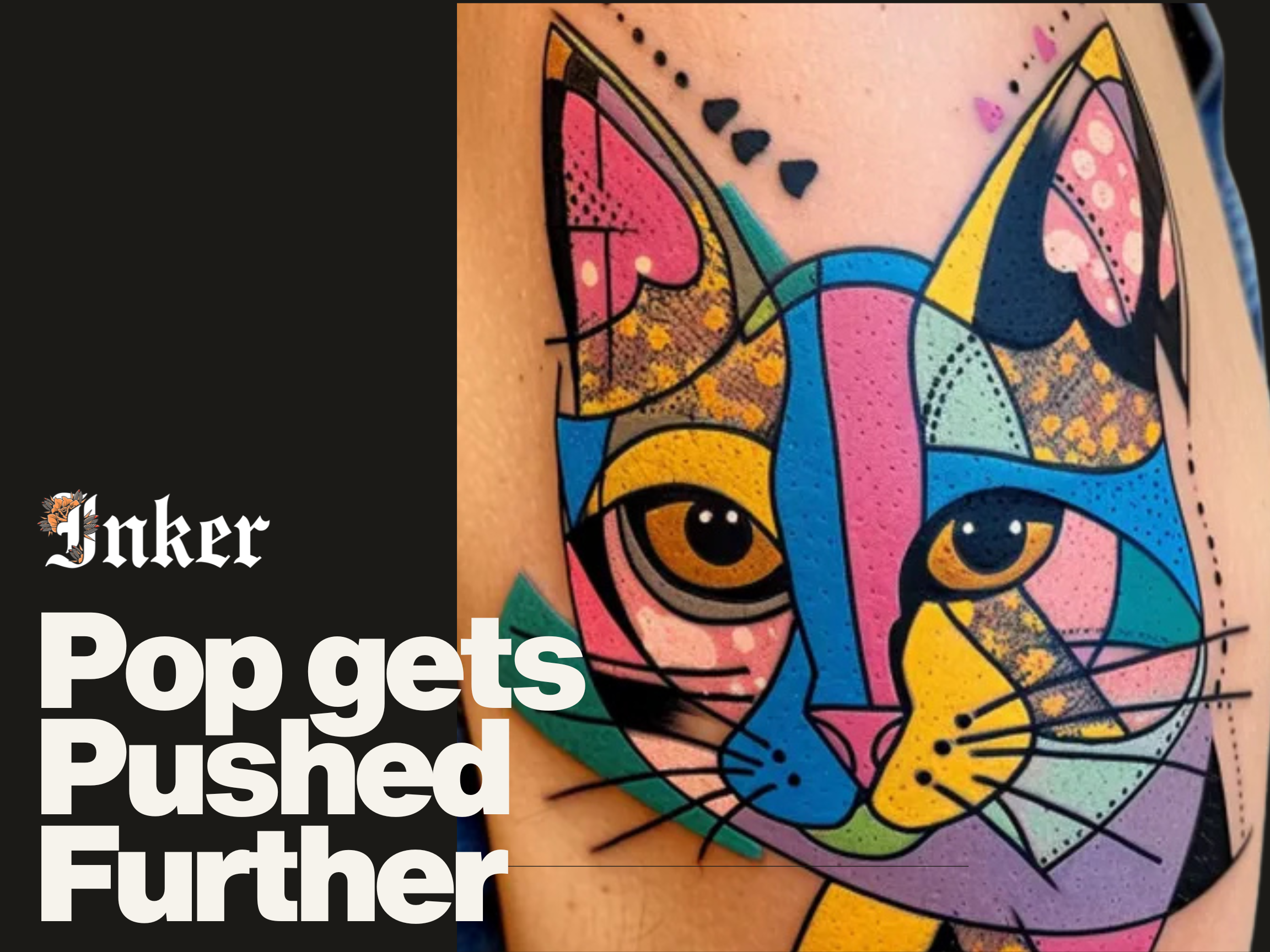
And here’s the Inker pitch……
Tattooing already sits in a world packed with Pop imagery, cartoon characters, celebrity faces, cultural references and artists constantly taking recognizable things and bending them into something that works on skin. Inker pays attention to the artists pushing that further, especially artists who aren’t satisfied with copying whatever image is already circulating and calling it original.
J Gekko
Staff Writer, Inker